Research
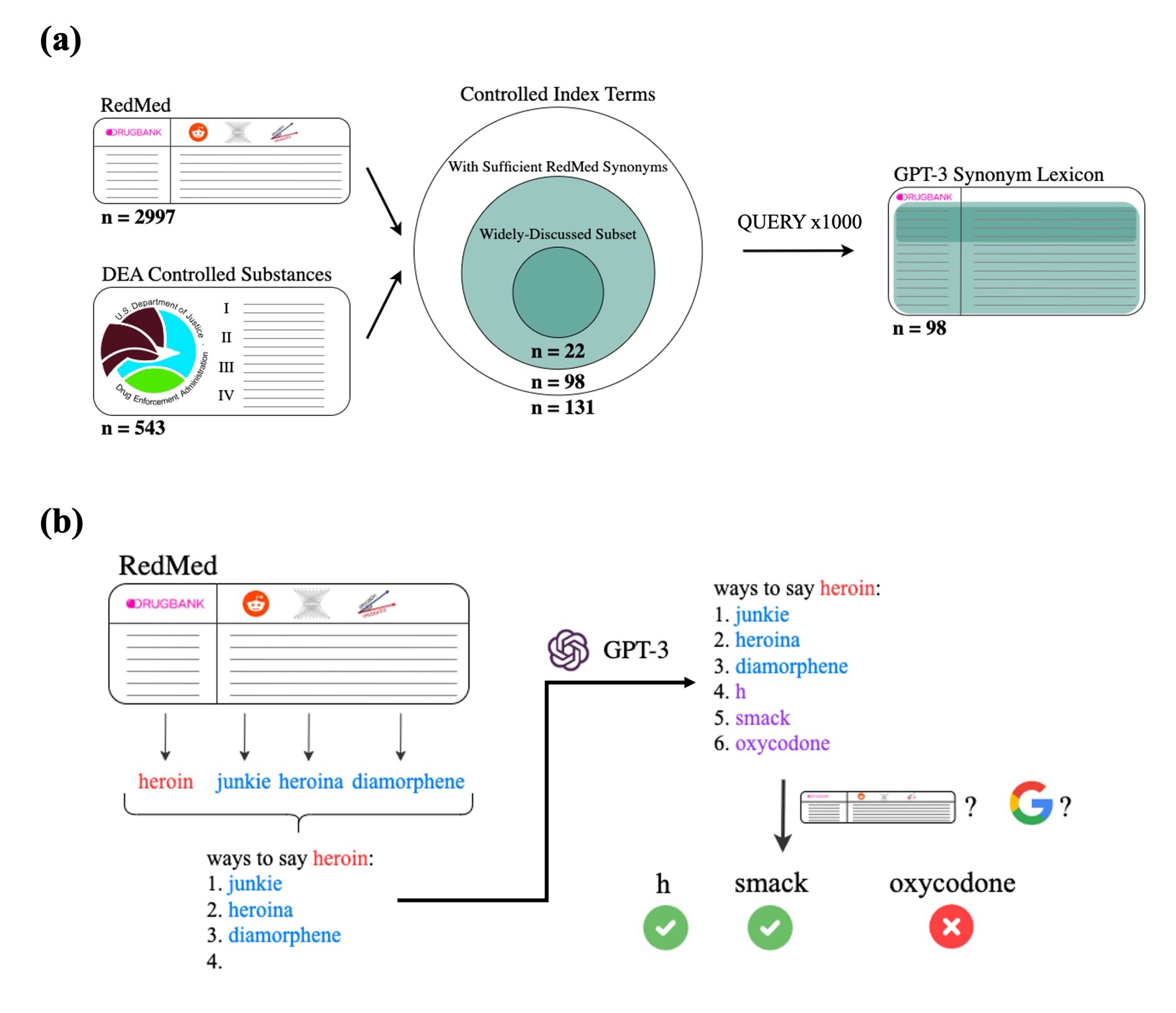
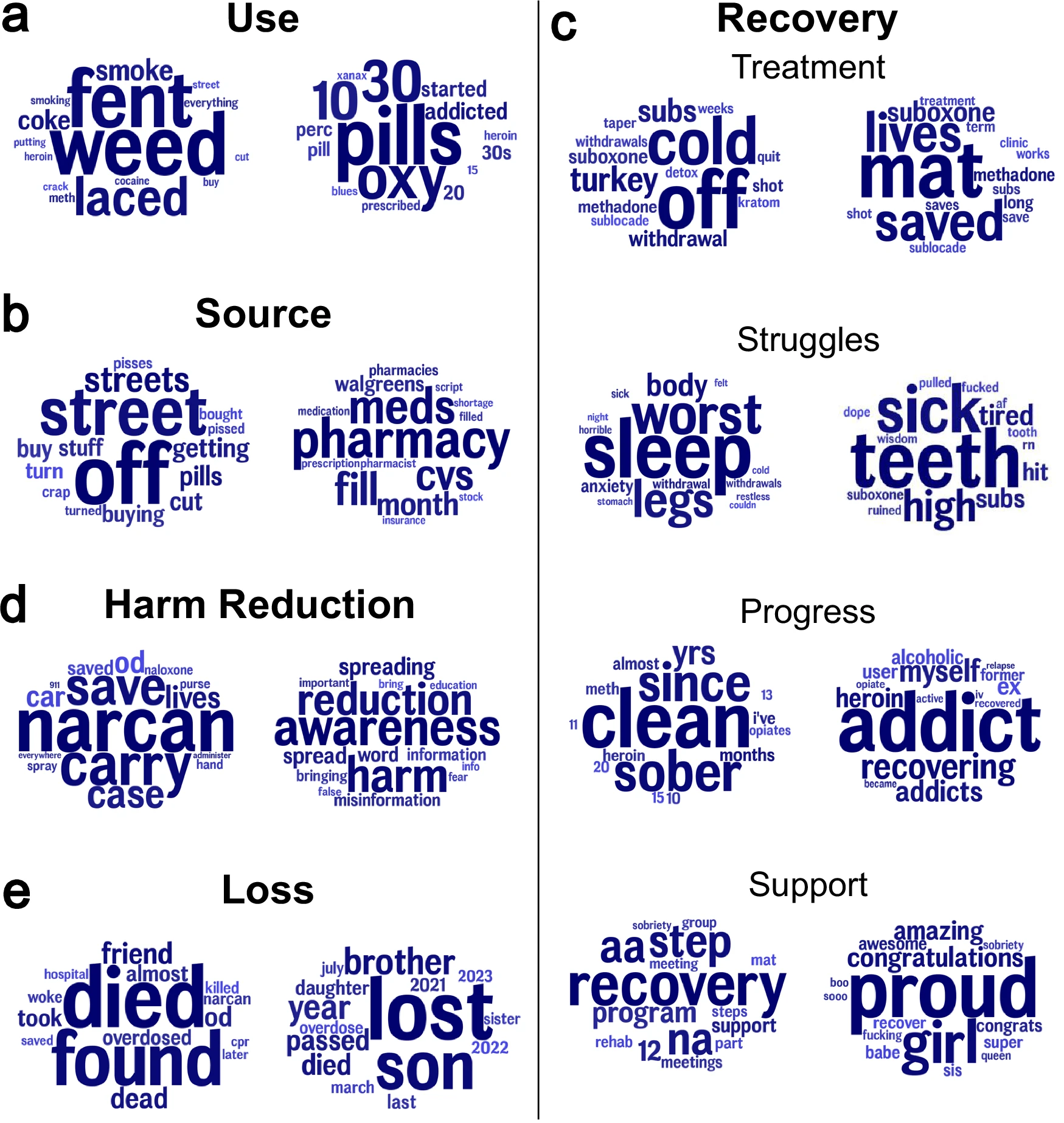
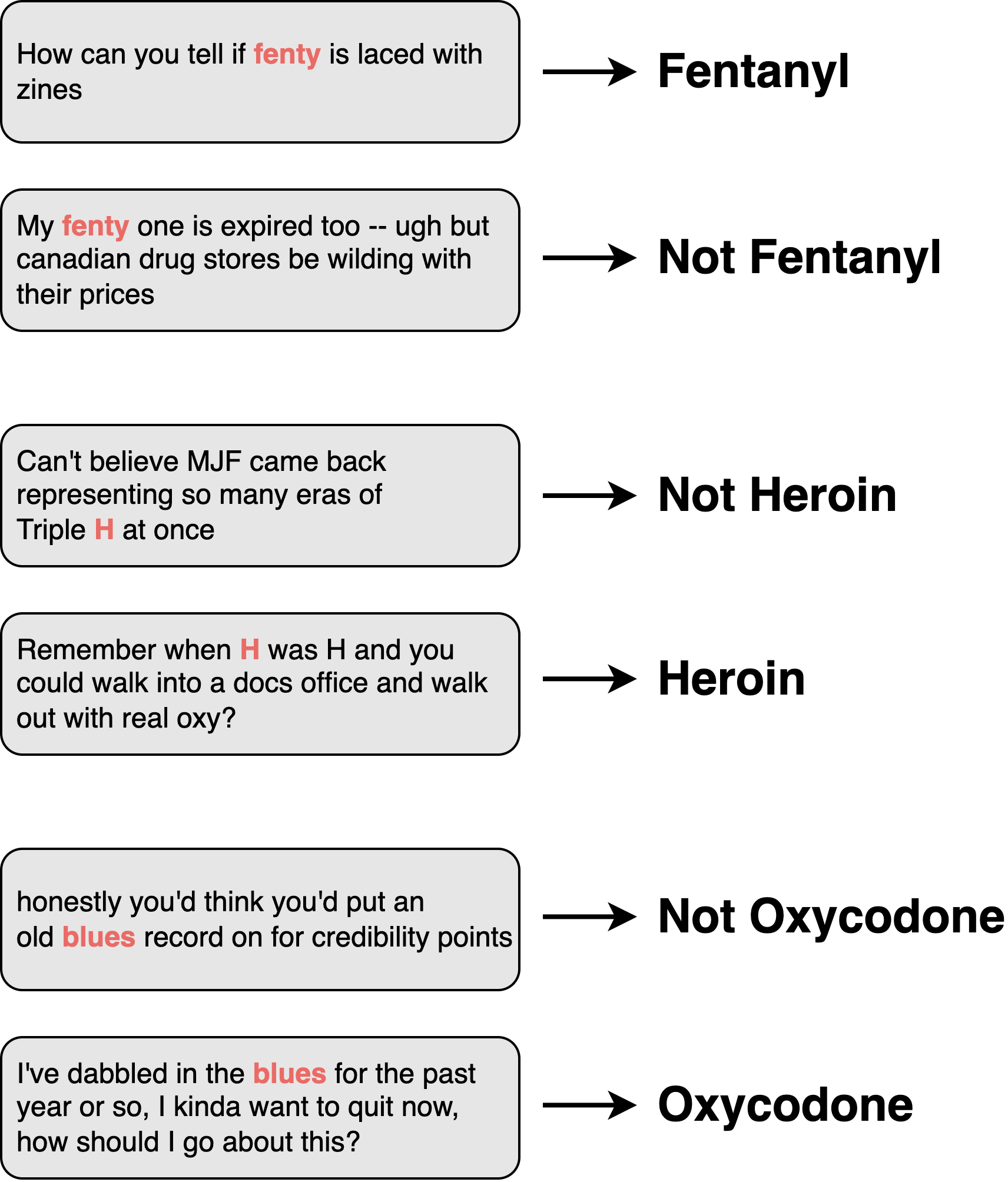
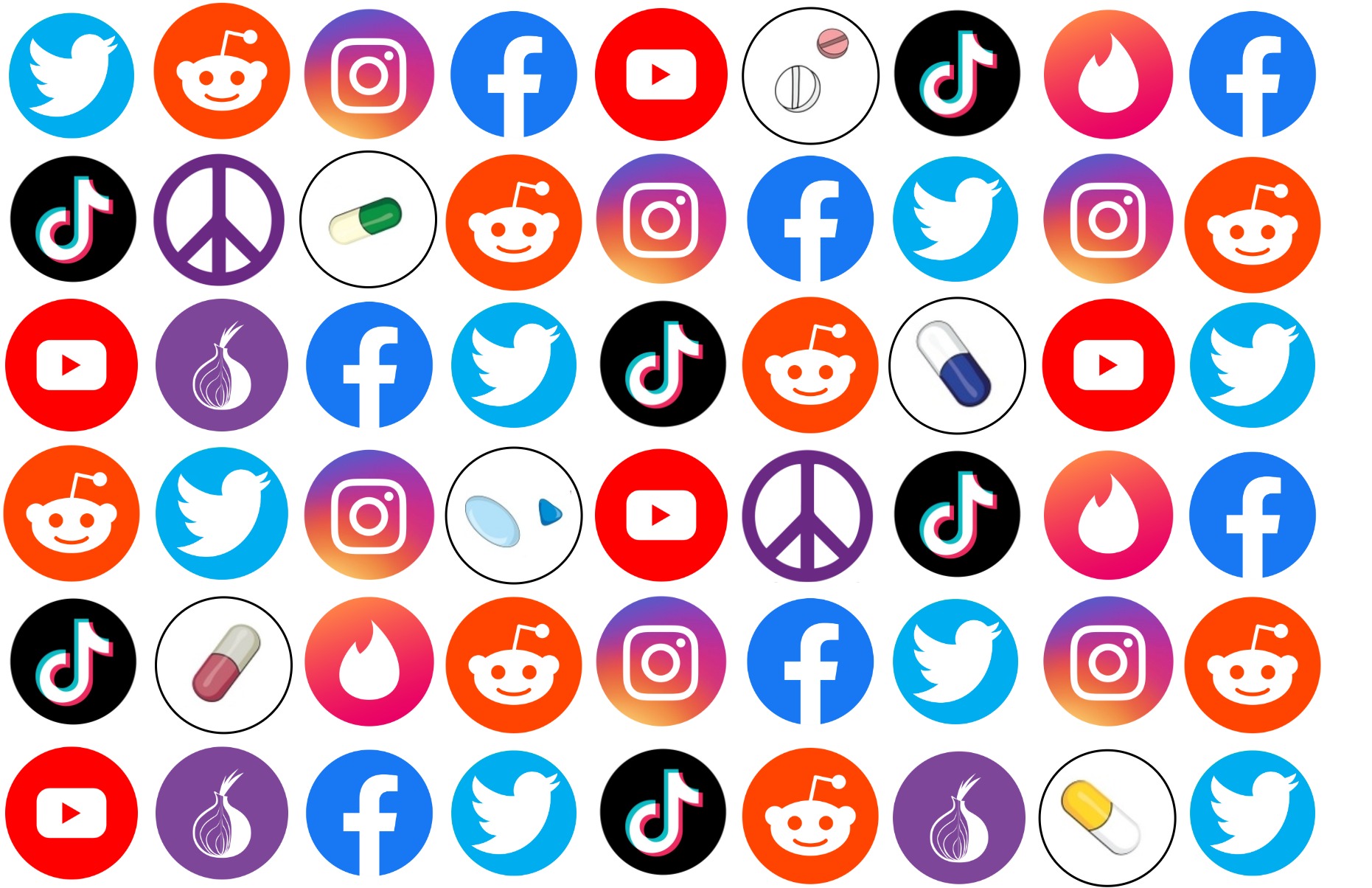
Our previous work is comprised of two arms of research: disease-agnostic machine learning models operating at the molecular level for early-stage drug discovery tasks, and analyses of social media text to inform surveillance of the opioid crisis. Our future work will build on this and will focus on two themes.
Improving predictors of blood-brain barrier penetration
Existing computational tools excel at predicting which compounds will passively diffuse across the blood-brain barrier (BBB). However, passive diffusion is not the only mechanism by which compounds cross the BBB. We aim to create machine learning models that can capture other modes of penetration, such as passive transport. Additionally, we aim to characterize and correct for BBB permeability bias in compound datasets.
Identifying therapeutic drug-target interactions within the addiction medicine context
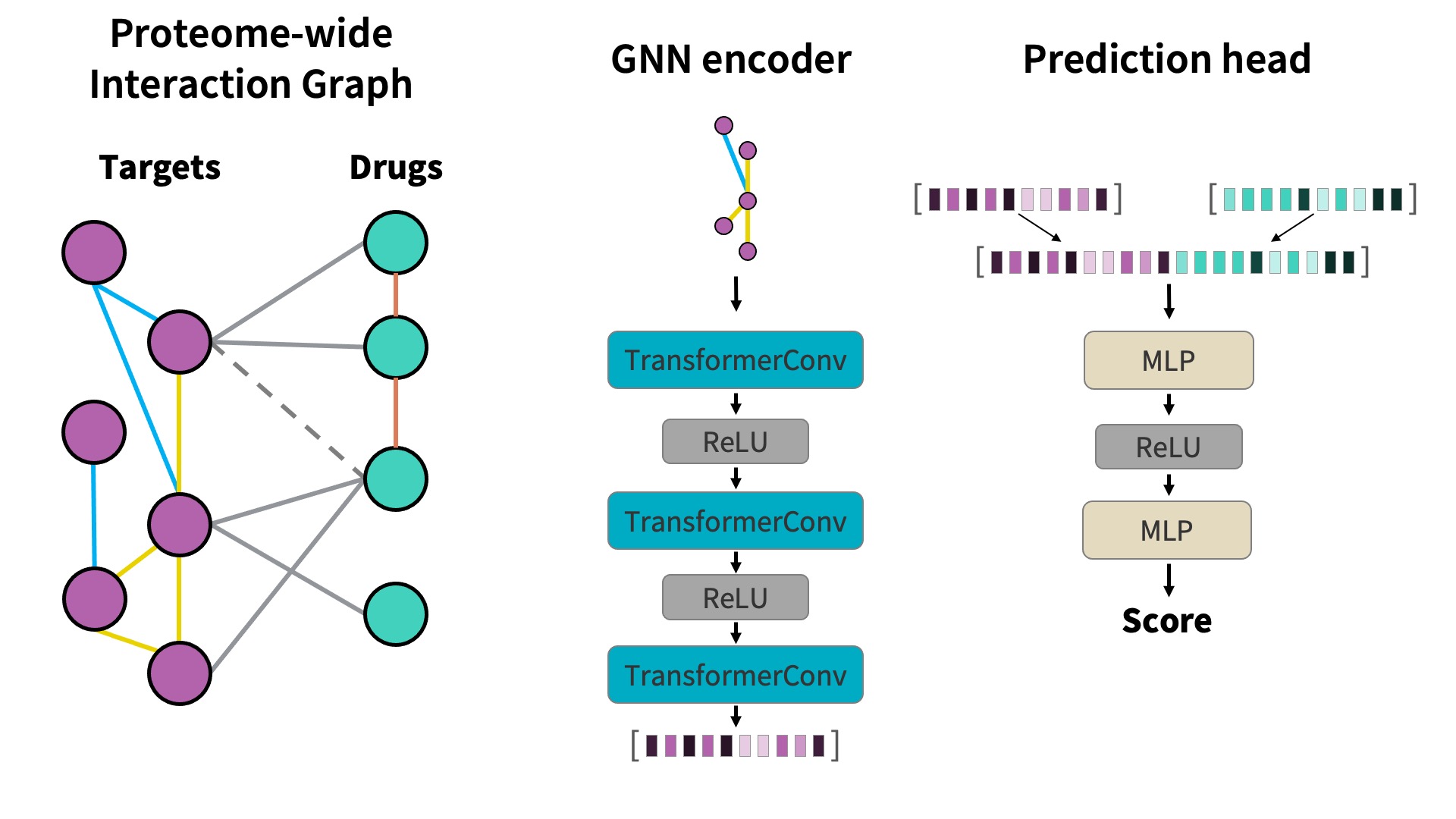
Substance use disorders (SUDs) lead to tens of millions of deaths globally each year. Identifying existing drugs that can be repurposed for SUDs would circumvent the high cost and risk of early-stage drug discovery. We aim to leverage computational tools and representations to propose drug repurposing opportunities based on off-target binding hypotheses. We also aim to elucidate potential addiction-related targets of drugs observed to have efficacy for treating SUDs but with current unknown mechanism.
All
2026
2025
2024
2023